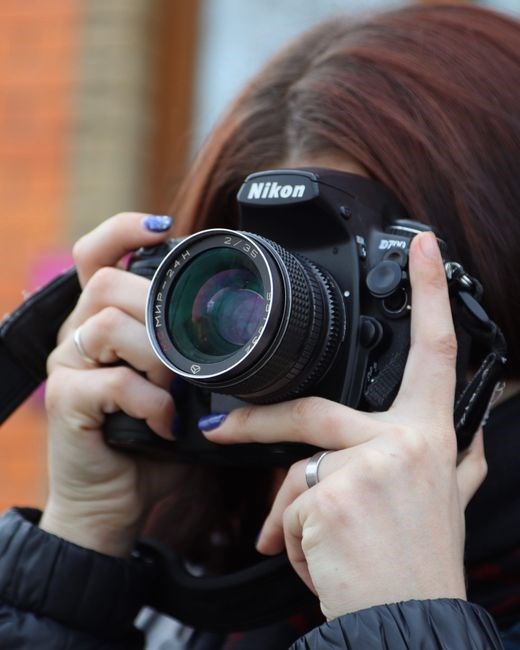
Getting Started with the Nikon D3300
Welcome to the Nikon D3300 manual․ This guide helps you connect, install batteries, and insert memory cards․ Follow the quick‑start steps to power on, set date/time, and choose shooting mode․ Refer to the PDF download for detailed instructions and troubleshooting tips․ Start shooting now! Enjoy creative!!!!
Basic Settings Overview
Before you begin shooting, familiarize yourself with the D3300’s core settings․ The camera’s menu is organized into three main sections: Image Settings, Camera Settings, and Setup․ In Image Settings, you can choose file format (JPEG, RAW, or JPEG+RAW), image quality (Fine, Normal, Basic), and white‑balance presets․ The Camera Settings menu houses exposure mode, ISO sensitivity, metering mode, and auto‑focus options․ The Setup section handles date/time, language, and power‑saving features․ To access the menu, press the Menu button, then use the multi‑selector to navigate․ Each setting is displayed with a brief description; tap OK to confirm changes․ The D3300 also offers a Custom Setting menu where you can assign functions to the i‑button and My Menu button for quick access․ Remember to check the battery level indicator on the LCD and replace the battery with a fully charged EN-EL15 or EN-EL15a when necessary․ For detailed step‑by‑step instructions, refer to the official Nikon D3300 user manual available for download from Nikon’s website or the Internet Archive․ Happy shooting! Use the viewfinder or the 3‑inch LCD to frame your shots, and adjust the ISO for low‑light situations․ The D3300’s built‑in flash can be triggered automatically or manually, giving you flexibility for portraits and events․ If you prefer a more cinematic feel, enable the 1080p video mode and use the built‑in microphone or an external mic for clearer audio during interviews․ and adjust exposure!․
Navigating the Menu System
To explore the Nikon D3300’s menu, press the Menu button and use the multi‑selector to move through pages․ The menu is divided into three main tabs: Image, Camera, and Setup․ Each tab contains sub‑menus accessed by pressing OK․ Use the arrow keys to scroll lists, and the OK button to confirm selections․ The camera’s on‑screen display shows the current setting and a brief description․ To return to the previous menu, press the Menu button again․ The D3300 also offers a quick‑menu accessed by the i‑button, which displays the most frequently used settings․ Customizing the i‑button is done in the Setup menu under “i‑Button Function․” The My Menu button can be programmed to display a custom list of options․ The camera’s menu includes a “Reset” option that restores factory defaults․ For detailed help, use the “Help” sub‑menu, which provides on‑screen explanations for each item․ The D3300’s menu system is designed to be intuitive, allowing beginners to adjust settings without confusion․ Remember to save any changes before exiting the menu․ The camera’s menu also supports language selection, enabling you to switch between English, Japanese, and other supported languages․ This flexibility makes the D3300 accessible to users worldwide․ The Menu button can be pressed repeatedly to cycle through the main tabs, and the multi‑selector allows scrolling within each sub‑menu today․ The Setup menu offers date/time, language, and power‑saving settings, tailoring the camera to your shooting needs․ The i‑Button provides a quick‑access menu that can be customized to show frequently used settings․
Exposure Modes (Auto, Aperture Priority, etc․)
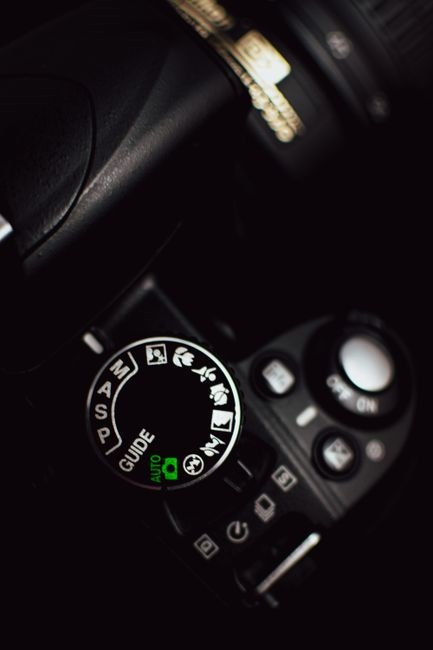
The Nikon D3300 offers five primary exposure modes that cater to both beginners and seasoned photographers․ In Auto mode, the camera selects shutter speed, aperture, ISO, and white balance, making it ideal for quick snapshots․ Aperture Priority (A) lets you lock the aperture while the camera chooses the appropriate shutter speed; this mode is perfect for controlling depth of field․ Shutter Priority (S) fixes the shutter speed and the camera adjusts the aperture, useful for freezing motion or creating motion blur․ Manual (M) gives full control over both aperture and shutter speed, allowing you to experiment with exposure settings․ Creative Auto (C) blends automatic scene detection with user‑defined parameters, offering a balance between convenience and creative control․ Each mode can be accessed by rotating the mode dial on the top of the camera․ When you select a mode, the LCD and viewfinder display the current settings, and the camera’s metering system evaluates the scene to suggest optimal exposure․ The D3300’s exposure modes are designed to be intuitive, ensuring that you can quickly switch between settings without navigating complex menus․ For advanced users, the camera also supports custom exposure compensation adjustments in any mode, enabling fine‑tuning of brightness and contrast․ By mastering these modes, you can adapt your shooting style to a wide range of lighting conditions and creative goals․ When shooting with flash, the D3300 adjusts the exposure to compensate for flash output, ensuring lighting․ You can also override flash exposure by selecting the flash compensation setting in the shooting menu, control over flash intensity relative to ambient light and․
White Balance Settings
The Nikon D3300 provides a versatile White Balance (WB) system that adapts to diverse lighting conditions, ensuring accurate color reproduction․ Auto WB automatically analyzes the scene and selects the optimal color temperature, making it ideal for quick, casual shooting․ Preset modes such as Daylight, Shade, Cloudy, Tungsten, Fluorescent, and Flash allow you to match the camera’s response to common light sources․ Custom WB lets you calibrate the camera by pointing it at a neutral reference, like a gray card, under the intended lighting, and the D3300 stores the resulting temperature and tint values․ WB gives you full control over the Kelvin setting and tint slider, enabling creative color grading directly in the field․ The camera’s LCD displays the current WB setting and, in Custom or Manual modes, shows the exact temperature in Kelvin and tint percentage․ When shooting RAW, the WB information is recorded but can be altered in post‑processing without quality loss, whereas JPEG images are processed with the selected WB at capture time․ To change WB, press the WB button on the back, use the multi‑selector to choose a mode, and confirm with the OK button․ Custom WB can be recalled quickly, and the D3300 supports up to ten custom settings, which is handy for photographers who shoot in varied environments․ Mastering the WB options on the D3300 empowers you to consistently capture vibrant, true‑to‑life images, regardless of the lighting situation․
ABCDEFGHIJKLMNOPQRSTUVWXYZabcdefghijklmnopqrstuvwxyz0123456789!@#$%^&*_+-=[]{}|;’:,․/<>?ABCDEFGHIJKLMNOPQRSTUVW
Focus Modes and Points
The Nikon D3300 offers focus modes for beginners and advanced users: AF‑S locks focus when the shutter button is half‑pressed, ideal for stationary subjects; AF‑C continuously refocuses as the subject moves, useful for action; MF allows manual focus adjustment․ The 11‑point autofocus system includes a central cross sensor and ten single‑point sensors, giving flexibility for off‑center subjects․ You can select a single point, a group, or the entire area․ The Focus Area button toggles between these options․ In AF‑C mode, the camera can switch to a different point if the subject moves out of the current zone․ The D3300 also supports a “Dynamic Area” mode that keeps the subject in focus while allowing some movement․ For portrait or macro work, the “Single Point” mode ensures precise focus on the eye or subject․ The system is calibrated for the DX‑format sensor, delivering reliable performance in most lighting conditions․ By mastering focus modes and point selection, you can capture sharp, well‑focused images in any scenario․
The D3300’s “Dynamic Area” mode keeps the subject in focus while allowing movement․ Experimenting with focus point selection helps achieve the desired depth of field and composition․
Use the focus point menu to switch modes and lock focus in AF‑S for portraits to avoid refocusing․
Image Quality and File Formats
The Nikon D3300 delivers high‑resolution images with a 24․2‑megapixel DX sensor, producing 6000×4000 pixel JPEGs and RAW files․ It supports JPEG, RAW, and JPEG+RAW formats, giving you flexibility for quick sharing or full editing control․ JPEG quality levels (Fine, Normal, Basic) adjust compression and file size, while RAW preserves all sensor data for post‑processing․
ISO ranges from 100 to 25600 in 1/3‑stop increments, providing low‑light capability with acceptable noise․ The sensor’s 12‑stop dynamic range captures detail in highlights and shadows, especially in RAW․ Image stabilization is not built into the body; lenses with optical stabilization are recommended for handheld shooting․
When shooting JPEG, the camera applies in‑camera processing: sharpening, noise reduction, and color rendering․ You can adjust these settings in the menu (Sharpness, Noise Reduction, Color Space)․ For RAW, the D3300 records unprocessed data, giving full latitude to adjust exposure, white balance, and color curves in software like Nikon Capture NX‑D or Adobe Lightroom․
File naming follows Nikon convention (D3300_YYYYMMDD_HHMMSS)․ The camera can store up to 2,000 images on a single SD card (UHS‑I or UHS‑II)․ For high‑speed burst (5 fps), choose a high‑write‑speed card to avoid buffer overflow․ In summary, the D3300 offers flexible image quality options: choose JPEG for convenience, RAW for editing, or both for maximum versatility․
Use the D3300’s built‑in histogram and focus peaking to fine‑tune exposure and focus for optimal image quality every
Shooting Modes (Creative Auto, etc․)
The Nikon D3300 offers a variety of shooting modes to suit both beginners and experienced photographers․ The Creative Auto mode automatically selects the best settings for a scene while allowing you to adjust the Creative Style (Standard, Vivid, Portrait, Landscape, Neutral, Monochrome) for color and contrast․ Auto mode is ideal for quick snapshots, as the camera handles exposure, white balance, and focus․
The Nikon D3300 offers shooting modes for beginners and pros․ Creative Auto selects settings automatically and lets you tweak Creative Style (Standard, Vivid, Portrait)․ Auto mode handles exposure, white balance, and focus for quick snapshots․!!
For more control, the Aperture Priority (A) mode lets you set the aperture to manage depth of field; the camera calculates the shutter speed․ The Shutter Priority (S) mode allows you to set the shutter speed to freeze or blur motion, with the camera choosing the aperture․ The Manual (M) mode gives full control over both aperture and shutter speed, ideal for advanced shooting․
Scene Intelligent Auto (SIA) offers preset modes such as Portrait, Landscape, Night Scene, Sports, and Macro that optimize settings for specific subjects․ The Creative Auto mode also includes Creative Effects like HDR and Panorama, accessible via the menu․ Each mode can be customized with Custom Settings (C1–C4) for quick switching․
To access these modes, press the Mode Dial on the top of the camera․ The D3300’s Live View and LCD display provide real‑time feedback on exposure and focus․ Use the Focus Mode (AF-S, AF-C, MF) and Focus Area (Dynamic, 3D, Single) to fine‑tune focus․ For video, the camera offers Movie Mode with 1080p recording at 30fps․
Video Recording Features
The Nikon D3300 offers 1080p Full HD video recording at 30 frames per second, with a 3․5‑inch tilting LCD for framing shots․ The camera supports 8‑bit 4:2:0 JPEG and RAW video, enabling high‑quality footage and post‑processing flexibility․ Audio is captured via a built‑in stereo microphone, and an external mic can be connected through the 3․5‑mm jack for cleaner sound․ The D3300’s Movie Mode includes a Movie Settings menu where you can adjust shutter speed, aperture, ISO, and white balance․ The camera automatically sets the shutter speed to double the frame rate (1/60s) for natural motion blur, but you can override it for creative effects․ The Movie Focus can be set to AF‑S, AF‑C, or MF, with a focus area selector for precise control․ The D3300 also offers a Movie Stabilization feature that reduces camera shake during handheld shooting, and a Movie Auto‑ISO that maintains exposure in changing light․ For stills, the camera can capture a burst of 3 images in quick succession, which can be used as a video clip․ The D3300’s Live View mode allows you to preview video frames in real time, and the LCD display shows recording status, remaining time, and file size․ The camera records to SD, SDHC, or SDXC cards, and you can choose the file format (MOV or MP4) in the menu․ The D3300’s Battery Life supports up to 400 video shots on a single full‑charge, making it suitable for extended shoots․ Finally, the camera’s Menu System provides quick access to video settings, and the Custom Settings (C1–C4) can be used to save your preferred video configuration for instant playback․ Enjoy capturing dynamic moments with the Nikon D3300’s versatile video capabilities․ The D3300 also supports 4K recording via an external adapter, expanding creative possibilities for future projects․ Additionally, the camera’s built‑in histogram provides real‑time exposure feedback during recording, ensuring accurate exposure throughout․ Users can also enable the camera’s continuous autofocus during video, which keeps subjects sharp even when moving․ The D3300’s quiet shutter mode reduces noise for discreet filming, making it ideal for interviews and wildlife documentation․
Battery, Power, and Storage
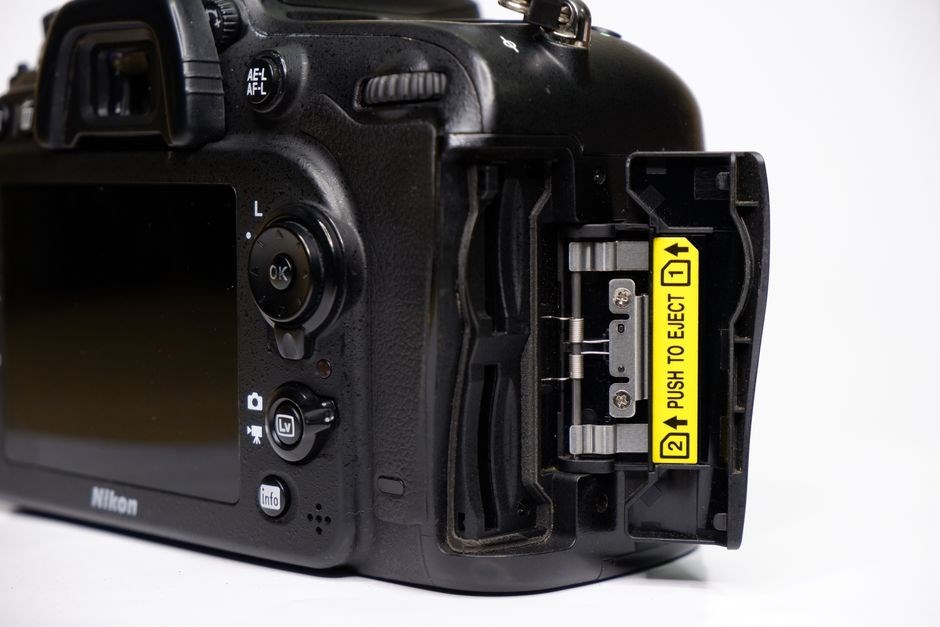
The Nikon D3300 uses the EN-EL15a rechargeable lithium‑ion battery, delivering approximately 600 shots per charge in standard mode and up to 400 video frames․ The battery is lightweight, 3․6 V, 1․5 Ah, and can be charged via the built‑in USB‑C port or an optional AC adapter․ The camera’s power‑saving features include a sleep mode that activates after 30 seconds of inactivity, and a quick‑start button that bypasses the menu for rapid shooting․ For extended sessions, the D3300 supports dual‑battery operation through the optional EN-EL15a battery pack, allowing you to swap batteries without shutting down․ The camera accepts SD, SDHC, and SDXC cards up to 128 GB, with a maximum write speed of 90 MB/s for smooth video recording․ The card slot is designed for quick removal, and the camera’s internal memory can store up to 24 GB of images and video․ The D3300’s firmware automatically detects card type and adjusts file format settings accordingly․ When the battery reaches low power, a warning icon appears on the LCD, and the camera will shut down if the battery is removed․ Users can monitor battery life via the menu or by pressing the battery level button․ The D3300’s power‑management system optimizes performance by reducing the processor clock speed during low‑light shooting, extending battery life․ For power‑conscious photographers, the camera offers a “Power‑Save” mode that limits the use of the LCD and autofocus to conserve energy․ The D3300’s battery and storage system are designed for reliability, ensuring that photographers can capture moments without interruption․ Battery life extended!

Maintenance and Care
Regular maintenance keeps the Nikon D3300 in peak condition․ Start by cleaning the exterior with a soft, lint‑free cloth; avoid abrasive cleaners that can damage the camera’s finish․ For the lens, use a dedicated lens cleaning solution and a microfiber pad, gently wiping in a circular motion․ Never apply liquid directly to the glass․ The sensor should be cleaned only by a professional or with a sensor‑cleaning kit; use the supplied air blower to remove dust before opening the back․ Store the camera in a cool, dry place, and keep the battery and memory card in a sealed pouch to prevent moisture․ Periodically update the firmware via the official Nikon website; this improves performance and adds new features․ When not in use, disconnect the battery and remove the memory card to avoid accidental power drain․ Inspect the battery contacts for corrosion and clean with a dry cotton swab if needed․ Keep the camera’s firmware and settings backed up by exporting the configuration file․ Finally, schedule a professional service check every 12 months to inspect internal components, especially the autofocus motor and shutter mechanism․ Proper care extends the life of the D3300 and ensures reliable image quality․ Additionally, calibrate the camera’s white balance using the built‑in presets or a custom white‑balance card to ensure accurate color reproduction across varied lighting conditions, and remember to periodically clean the lens hood and viewfinder glass to maintain optimal optical clarity․ Finally, store the camera in a sturdy case when traveling to shield it from dust!!
Troubleshooting Common Issues
When the Nikon D3300 fails to power on, first check the battery connection and ensure the battery is fully charged․ If the LCD remains blank, try a different memory card or reset the camera to factory settings via the menu․ A persistent “Lens not recognized” error usually indicates a faulty lens mount; clean the mount contacts with a dry cotton swab․ If autofocus stalls, clean the lens elements and verify that the focus mode is set correctly․ For shutter‑speed problems, confirm that the shutter is not stuck by manually cycling through the modes․ A “Low battery” warning that appears even with a charged battery often results from a faulty battery connector; inspect for corrosion and clean with a dry cloth․ If the camera displays a “Firmware update required” message, download the latest firmware from Nikon’s official website and install it using a USB connection․ A “Memory card error” can be resolved by formatting the card in the camera or using a different card․ When the viewfinder shows a dark or washed‑out image, adjust the exposure compensation or switch to a different shooting mode․ For audio issues in video mode, ensure the microphone is properly connected and that the audio level is set to an appropriate level․ If the camera freezes during shooting, remove the memory card, power off, wait a few minutes, then restart․ Finally, if the camera’s internal temperature rises rapidly, allow it to cool in a shaded area before resuming use․ For persistent problems, consult Nikon’s online support or visit an authorized service center․ Always keep the camera’s firmware updated and handle the camera with care to prevent future issues․ If you notice that the camera’s shutter count is unusually high, consider a professional shutter inspection; For issues with image noise at high ISO, try using the built‑in noise reduction setting or lower the ISO․ If the camera’s auto‑focus fails in low light, switch to a lens with a larger aperture or enable the AF‑Assist lamp․ When the camera’s battery indicator shows an incorrect level, calibrate the battery by fully charging and then discharging it while the camera is on․ If the camera’s menu is unresponsive, perform a hard reset by removing the battery and memory card, then reinsert them after a few seconds․ These steps cover most common problems and help maintain optimal performance of the Nikon D3300․

Additional Resources and Support
For comprehensive help with your Nikon D3300, start at Nikon’s official support portal․ The portal hosts the full PDF of the D3300 user manual, firmware updates, and troubleshooting guides․ Download the latest firmware from the “Firmware” section and follow the step‑by‑step installation instructions․ Nikon also offers a free mobile app, Nikon SnapBridge, which syncs images, shares settings, and provides remote shooting control․ If you prefer community advice, visit the Nikon Forum (forum․nikon․com) where experienced users and Nikon staff discuss lens compatibility, exposure tricks, and maintenance tips․ The Nikon D3300 is compatible with a wide range of AF‑mount lenses; check the lens compatibility list on Nikon’s website to ensure optimal performance․ For hardware repairs, locate an authorized Nikon service center through the “Service” page; you can schedule a repair or request a diagnostic․ If you encounter a software issue that cannot be resolved online, contact Nikon Customer Support by phone at 1‑800‑NIKON‑D3 (1‑800‑646‑3363) or by email at support@nikon․com․ The support team is available Monday‑Friday, 9 a․m․ to 5 p․m․ (Pacific Time)․ Finally, keep your camera’s firmware and firmware backup up to date to avoid compatibility problems with future lenses or accessories․ All resources are available in multiple languages and are updated regularly to reflect new firmware releases and product updates․ For further assistance, subscribe to Nikon’s newsletter, join the Nikon Community on social media, or download the Nikon View app for share from your smartphone․ Enjoy connectivity and instant updates daily every
No Responses