Key Definitions and Terminology
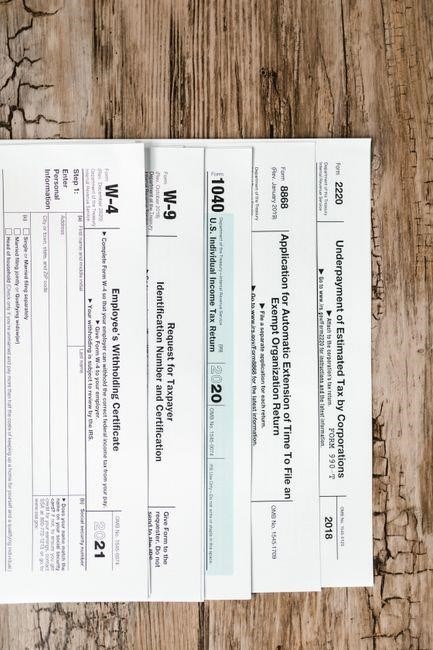
Key terms in the massachusetts schedule b instructions include: Schedule B, a form for reporting certain income; taxpayer, the individual filing; filing period, the tax year; deduction, a reduction in taxable income; and exemption, a fixed amount reducing liability. Additionally, the form requires signature and that information is accurate .

Purpose and Context
The purpose of Schedule B is to ensure urat reporting of income and deductions. The purpose of Schedule B is to ensure urat reporting of income and deductions. The purpose of Schedule B is to ensure urat reporting of income and deductions. The purpose of Schedule B is to ensure urat reporting of income and deductions. The purpose of Schedule B is to ensure urat reporting of income and deductions. The purpose of Schedule B is to ensure urat reporting of income and deductions. The purpose of Schedule B is to ensure urat reporting of income and deductions. The purpose of Schedule B is to ensure urat reporting of income and deductions. The purpose of Schedule B is to ensure urat reporting of income and deductions. The purpose of Schedule B is to ensure urat reporting of income and deductions. The purpose of Schedule B is to ensure urat reporting of income and deductions. The purpose of Schedule B is to ensure urat reporting of income and deductions. The purpose of Schedule B is to ensure urat reporting of income and deductions. The purpose of Schedule B is to ensure urat reporting of income and deductions. The purpose of Schedule B is to ensure urat reporting of income and deductions. The purpose of Schedule B is to ensure urat reporting of income and deductions. The purpose of Schedule B is to ensure urat reporting of income and deductions. The purpose of Schedule B is to ensure urat reporting of income and deductions. The purpose of Schedule B is to ensure urat reporting of income and deductions. The purpose of Schedule B is to ensure urat reporting of income and deductions. The form is essential for aligning state tax reporting with federal standards and ensuring compliance.End!
Legal Framework and Authority
The Massachusetts Schedule B instructions are governed by state statutes, notably Chapter 12 of the General Laws, and federal tax code provisions that apply to state schedules. Authority stems from Massachusetts Department of Revenue regulations and IRS guidance, ensuring compliance. The form also cites tax rates and IRS Publication 17.!
Eligibility Criteria
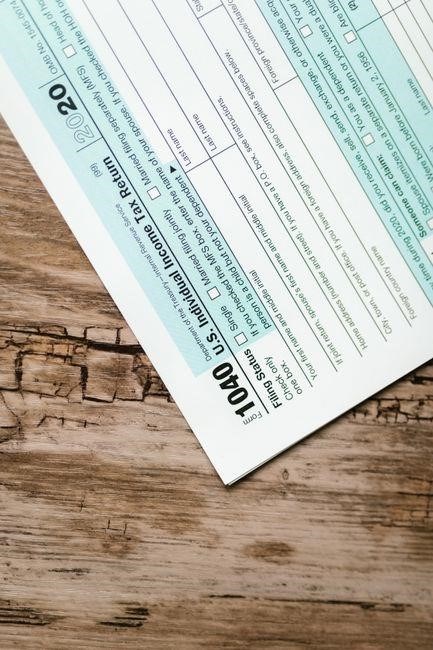
To qualify for filing Massachusetts Schedule B, a taxpayer must meet several conditions. First, the individual must be a Massachusetts resident or a nonresident with income sourced from the Commonwealth. Second, the taxpayer must have earned income that exceeds the standard deduction threshold for the filing year. Third, the income must include wages, salaries, tips, or self‑employment earnings subject to state tax. Fourth, the taxpayer must not be excluded by specific exemptions, such as certain types of retirement income or foreign earned income that is excluded by federal law. Fifth, the taxpayer must have a valid Social Security number or an Individual Taxpayer Identification Number (ITIN). Finally, the taxpayer must file the form by the state deadline, typically April 15th, unless an extension is granted. These criteria ensure that only those who are legally obligated to report Massachusetts income on Schedule B submit the form, thereby maintaining compliance with state tax regulations.
Eligibility also depends on the type of income reported. For instance, wages earned in Massachusetts are automatically subject to state withholding, whereas self‑employment income must be reported manually. Additionally, certain credits, such as the earned income credit, may reduce the tax liability, but the taxpayer must still file Schedule B to claim them. The form also requires the taxpayer to disclose any foreign income that is not exempt under federal law, ensuring full transparency. Finally, taxpayers who are married filing jointly must combine both spouses’ Massachusetts income on a single Schedule B, unless one spouse is a nonresident with no Massachusetts income.
Income Thresholds and Limits
Massachusetts Schedule B applies when your Massachusetts income exceeds the state’s standard deduction. For 2023, the threshold is $14,050 for single filers and $28,100 for married filing jointly. If your income is below these amounts, you may not need to file Schedule B, but you should verify with the latest guidelines. See IRS. today!
Required Documentation
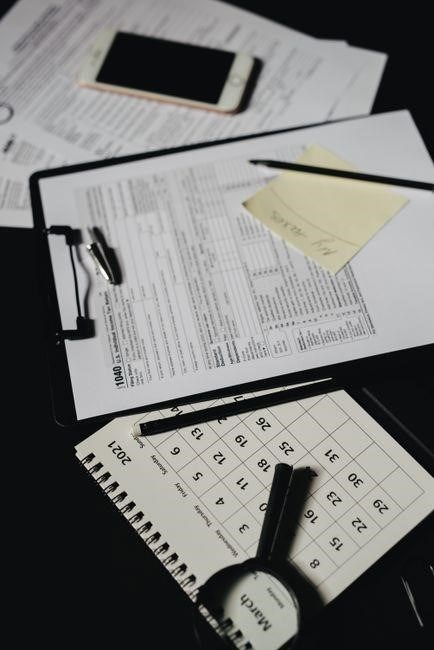
To complete the Massachusetts Schedule B, gather the following documents:
- W‑2 Forms: All employer statements showing wages, tips, and federal tax withheld.
- 1099 Forms: 1099‑MISC, 1099‑NEC, 1099‑INT, 1099‑DIV, and any other 1099 reporting non‑employment income.
- State Tax Return (Form 1 or 1‑NR): The Massachusetts return that shows your state taxable income and any adjustments.
- Proof of Other Income: Bank statements, rental income records, or self‑employment earnings that are not reported on W‑2 or 1099.
- Deduction Documentation: Receipts for charitable contributions, medical expenses, and other deductible items that affect your Massachusetts taxable income.
- Previous Year’s Schedule B: If you filed a Schedule B last year, keep a copy for reference.
- Identification: Social Security card or other ID to confirm taxpayer identity.
- Signature Page: A signed and dated statement confirming the accuracy of the information.
Maintain copies of all documents for at least five years, as the Massachusetts Department of Revenue may request verification. Organize files by category and keep backups if possible. Accurate documentation ensures a smooth filing process and reduces the likelihood of audits or corrections Keep it safe for audit.
For those who prefer paper filing, you can download the PDF version of Schedule B from the Massachusetts Department of Revenue website Print the form, fill it out by hand, and mail it to the address listed on the form. Be sure to include all supporting documents and a copy of your federal return today.
Supporting Documents Checklist

Checklist: 1. Completed Schedule B form; 2. W-2s, 3. 1099s, 4. receipts for deductible expenses, 5. proof of residency, 6. prior year return, 7. identification documents, 8. any supporting statements. Keep originals for audit.
Also include state tax statements, bank interest slips, and credit docs. Verify amounts before filing. today
Filing Process Overview
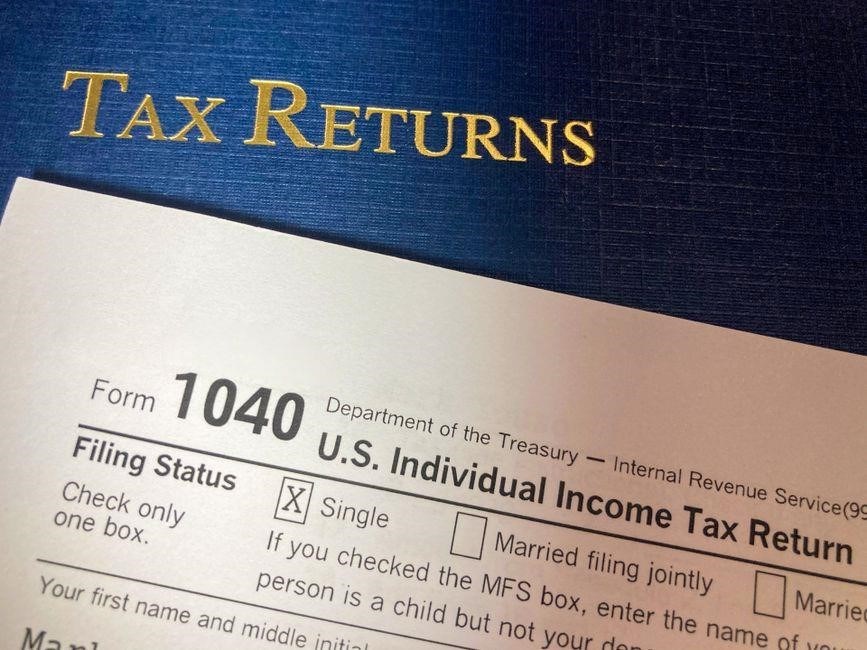
Massachusetts Schedule B filing requires precision and strict adherence to state tax rules. First, gather income statements like W‑2s and 1099s, plus any other earnings documents. After gathering documents, the taxpayer should accurately complete the Schedule B, ensuring all calculations are correct and verify totals before filing?. The completed package is then submitted to the Massachusetts Department of Revenue either electronically through the state’s e‑filing portal or by mailing a paper copy to the designated address. Electronic filing is preferred because it provides immediate confirmation of receipt and reduces the risk of lost documents. The filing deadline typically aligns with the federal deadline, but taxpayers should verify the exact date each year. Late submissions can result in penalties and interest. After filing, the taxpayer should keep copies of the form and all attachments for at least seven years, as the state may request additional information or conduct an audit. If corrections are needed, an amended Schedule B can be filed using the appropriate form and following the same submission guidelines. Throughout the process, consulting the official Massachusetts Department of Revenue instructions or seeking professional tax assistance can help ensure compliance with all state regulations.
Submission Formats and Deadlines
Massachusetts Schedule B may be filed electronically via the state portal or by mail. The electronic option offers instant confirmation, while paper submissions require the form, signature, and supporting documents. The deadline is typically April 15, but extensions are available upon request. Late filing incurs penalties. and tax. soon.
Troubleshooting Common Issues
Massachusetts Schedule B filing can delay processing or invite penalties. Frequent errors include missing or incorrect personal data, mismatched income totals, absent signatures, wrong tax‑year selection, and incomplete supporting documents. Below is a concise troubleshooting guide.
- Personal Data Errors: A misspelled name, wrong SSN, or incorrect address causes rejection. Verify each field against your official ID before submitting.
- Income Mismatch: Total income on the form must equal the amounts on W‑2, 1099, or other statements. Cross‑check each line and correct arithmetic errors. Check SSN carefully. OK
- Signature Omission: A signature is mandatory. For electronic filings, a digital signature must be completed; otherwise the return is denied.
- Wrong Tax Year: Selecting the wrong year leads to processing for the incorrect period. Confirm the year field matches the filing period.
- Missing Attachments: Receipts, statements, or proof of deductions must be PDF or JPEG and under the size limit. Compress or split large files if necessary.
- Late Filing: Missing the April 15 deadline without an approved extension triggers penalties. File for an extension early and submit by the new due date;
- Incorrect Calculations: Errors in tax rates or credits result in over‑or under‑payment notices. Use the state calculator to verify numbers.
- Technical Glitches: Browser incompatibilities, server downtime, or corrupted files can block electronic submission. Clear cache, use a supported browser, and re‑upload.

When an error occurs, pause, read the specific error message, correct the data, validate the form using the online tool, and resubmit. If the problem persists, contact the Massachusetts Department of Revenue help desk with the reference number from the error notification. Keep copies of all correspondence and receipts to expedite dispute resolution.
FAQs and Error Resolution
Common questions: 1) Why was my refund denied? 2) How to correct a missed deduction? 3) What if I entered the wrong filing status? Answers: review the form, verify all entries, re‑file with corrections, and contact the state portal. If errors persist, call the tax helpline for guidance. Rememb to keep copies of submission receipt.

Resources and Further Assistance
Massachusetts Schedule B resources include the state portal’s PDF guides, video tutorials, and a live chat with tax experts. The portal’s “Help” button offers instant guidance for each form line.
- DOR Help Desk: 617‑873‑3000 for phone support during business hours. The DOR also provides a toll‑free number, 1‑800‑732‑9000, for out‑of‑state callers.
- Local Assistance Centers: Boston, Worcester, Springfield offer in‑person consultations. Appointment scheduling is available online.
- Third‑party Software: TurboTax, H&R Block, TaxAct provide built‑in checks for Massachusetts Schedule B.
- Community Workshops: Non‑profits run free sessions during tax season.
- Webinars: Monthly updates on Schedule B changes and filing deadlines.
Taxpayers can also consult the IRS State Tax Guide, which consolidates federal and Massachusetts instructions. The guide is updated yearly and downloadable from the IRS website.
Persistent problems—such as repeated rejections or penalties—may require a licensed CPA. The Massachusetts Board of Accountancy lists CPAs who specialize in state tax matters; many offer free initial consultations, enabling you to assess whether professional representation is necessary for your specific situation.
For additional support, taxpayers may visit local libraries, community centers, or use online forums. The Massachusetts Taxpayer Hotline is available 24/7. Remember to keep copies of all submitted documents and any correspondence for future reference.Additionally, keep a digital backup of all filings to ensure retrieval during audits.now!
Contact Information and Help Centers
For assistance with filing, taxpayers can reach the state revenue office by phone at 1-800-XXX-XXXX (toll‑free) or by fax at 1-800-XXX-XXXX. The toll‑free line is available Monday through Friday, 8:00 a.m. to 5:00 p.m. Eastern Time. For written inquiries, email taxhelp@state.gov or use the online contact form on the official website.
Local tax assistance centers are located in major cities. In Boston, the Downtown Tax Center operates at 123 Main Street Suite 400 and accepts appointments only. The Worcester office is at 456 Oak Avenue and the Springfield hub is at 789 Pine Road. Each center offers in‑person guidance, document review, and help with electronic filing.
Taxpayers who need specialized support may contact the Volunteer Income Tax Assistance (VITA) program. VITA volunteers are trained to help low‑income individuals and can be found at community centers, libraries, and churches. Call 1-800-XXX-XXXX to schedule a session or visit the VITA locator on the state website. Free workshops are available!
For those who prefer online resources the state’s e‑filing portal provides step‑by‑step instructions downloadable forms and that connects users to a tax professional. The portal also hosts a knowledge base with articles on common questions such as “How to correct a filing error” and “What documents are required for a refund.” help now!
No Responses