
World History: Patterns of Interaction ー Article Plan
McDougal Littell’s textbook meticulously examines global events, emphasizing civilization interactions, offering downloadable PDF chapters for comprehensive study and insightful historical analysis․
Global interconnectedness is the central tenet of understanding world history, moving beyond isolated national narratives to explore the dynamic relationships shaping our planet․ The “Patterns of Interaction” approach, readily available as a PDF resource, highlights how civilizations haven’t developed in vacuums but through constant exchange – of goods, ideas, technologies, and unfortunately, sometimes conflict․
This perspective acknowledges that events in one region invariably ripple outwards, impacting distant societies․ Studying these interactions, as detailed within the textbook, reveals recurring patterns in human development, demonstrating how societies adapt, innovate, and respond to external influences․ The PDF version facilitates focused study on these complex webs of connection, offering a comprehensive overview of historical events and their lasting consequences․ Recognizing this interconnectedness is crucial for interpreting the past and navigating the challenges of the present․
II․ The Textbook: “Patterns of Interaction” ─ An Overview
“Patterns of Interaction”, often found as a readily accessible PDF, is a widely used world history textbook designed for middle and high school students․ It distinguishes itself by prioritizing the analysis of interactions between civilizations, rather than simply cataloging events in isolation․ The textbook’s structure is chronological, yet thematic, tracing global developments from prehistory to the present day․
Key features include detailed coverage of major civilizations, exploration of trade routes like the Silk Road, and examination of the consequences of cultural exchange․ The PDF format allows for convenient access to chapters covering periods like Mesopotamia, Ancient Egypt, and the Age of Exploration․ It emphasizes the impact of technological advancements and the rise and fall of empires, offering a nuanced understanding of global history’s complex tapestry․
III․ Core Themes of the Textbook
The “Patterns of Interaction” textbook, frequently available as a PDF resource, centers around several core themes․ Primarily, it highlights the recurring patterns in civilization development – the rise of cities, complex institutions, specialized labor, and record-keeping systems․ A central tenet is the significance of interactions: how trade, warfare, and cultural exchange have shaped societies throughout history․
The textbook deliberately navigates the tension between global and regional history, demonstrating how localized events connect to broader worldwide trends․ It explores how innovations spread, religions evolved, and empires expanded through these interactions․ Studying the PDF version reveals a consistent focus on understanding the dynamic forces that have driven historical change, emphasizing that history isn’t a series of isolated events, but a connected narrative․

III․A․ Patterns of Civilization Development
Analyzing the “Patterns of Interaction” textbook – often accessed as a convenient PDF – reveals consistent patterns in how civilizations emerge and evolve․ These include the development of urban centers, fostering specialized labor and complex social hierarchies․ The textbook emphasizes the crucial role of organized institutions, like governments and religions, in maintaining order and facilitating growth․
Furthermore, the PDF resource demonstrates how effective systems of record-keeping, from early writing to advanced technologies, were vital for preserving knowledge and transmitting it across generations․ Examining historical examples, the textbook illustrates how these patterns, while not universal, frequently reappear across different cultures and time periods, offering a framework for understanding the broader trajectory of human history and societal advancement․
III․B․ The Significance of Interactions

The “Patterns of Interaction” textbook, readily available as a PDF, fundamentally argues that history isn’t a series of isolated events, but a web of interconnected relationships․ It highlights how the exchange of goods, ideas, and technologies – exemplified by networks like the Silk Road – profoundly shaped civilizations․ These interactions weren’t always peaceful; conflict and competition also drove change․
The PDF resource showcases how cultural diffusion, the spread of beliefs and practices, led to both innovation and tension․ Examining instances like the Columbian Exchange, the textbook demonstrates the far-reaching consequences of these encounters, including biological and demographic shifts․ Ultimately, the textbook emphasizes that understanding these interactions is crucial for grasping the complexities of the past and present․
III․C․ Global History vs․ Regional History
The “Patterns of Interaction” textbook, accessible in PDF format, navigates the delicate balance between global and regional historical perspectives․ While acknowledging the importance of understanding specific civilizations – like Mesopotamia or Ancient Egypt – it stresses the necessity of viewing them within a broader, interconnected world context․ The PDF resource demonstrates how events in one region often triggered ripple effects across the globe․
It moves beyond solely focusing on individual nations, instead examining patterns of interaction that transcended geographical boundaries․ This approach allows students to recognize common themes and developments across different cultures, fostering a more nuanced understanding of world history․ The textbook argues that a truly comprehensive historical analysis requires integrating both global and regional lenses․
IV․ Chapter 1: The Peopling of the World (Prehistory ー 2500 B․C․)
Chapter 1 of “Patterns of Interaction,” readily available as a PDF download, delves into the earliest stages of human history, spanning from prehistory to approximately 2500 B․C․ It explores the fascinating journey of human origins, focusing on archaeological evidence pinpointing Africa as the cradle of humankind․ The PDF details early human migration patterns, illustrating how populations dispersed across the globe, adapting to diverse environments․
Crucially, the chapter examines the transformative Neolithic Revolution and the development of agriculture․ This pivotal shift from nomadic hunter-gatherer lifestyles to settled agricultural communities laid the foundation for civilization․ The textbook, in its PDF form, emphasizes how these early interactions with the environment and each other shaped the course of human history․
IV․A․ Human Origins in Africa – Archaeological Evidence
The “Patterns of Interaction” textbook, accessible as a PDF, meticulously presents archaeological evidence supporting the theory of human origins in Africa․ Discoveries of early hominid fossils, like those found at Olduvai Gorge in Tanzania, provide crucial insights into our ancestors․ The PDF details how scientists analyze these remains – examining bone structure, tools, and surrounding environments – to reconstruct the story of human evolution․
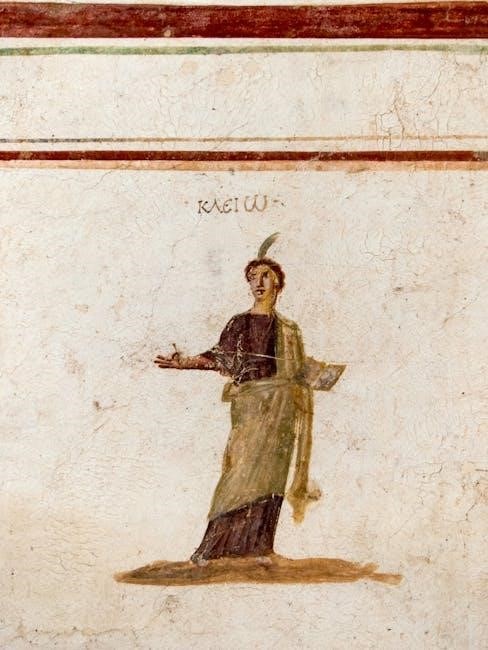
Evidence suggests early humans developed essential skills, including toolmaking, which aided survival․ The textbook’s PDF version highlights the significance of these early technologies and their impact on human adaptation․ Studying these archaeological finds allows us to trace the development of cognitive abilities and social structures, ultimately understanding our species’ beginnings․
IV․B․ Early Human Migration Patterns
The “Patterns of Interaction” textbook, available in PDF format, details the fascinating journey of early human migration out of Africa․ Driven by factors like climate change and the pursuit of food sources, these early humans gradually populated the globe․ The PDF utilizes maps and archaeological data to illustrate the routes taken – across the Middle East, into Asia, and eventually to the Americas․
The textbook emphasizes that this migration wasn’t a single event, but a series of movements over millennia․ Analyzing genetic evidence, alongside fossil discoveries detailed in the PDF, helps trace these population movements․ Understanding these patterns is crucial for comprehending the diversity of human populations and the spread of culture and technology across the world․
IV․C․ The Neolithic Revolution & Agricultural Development
The “Patterns of Interaction” textbook, accessible as a PDF, dedicates significant attention to the Neolithic Revolution – a pivotal moment in human history․ This period, marked by the development of agriculture, fundamentally altered human societies․ The PDF explains how the domestication of plants and animals led to settled communities, increased food surpluses, and population growth․

The textbook highlights that this wasn’t a uniform process; agriculture arose independently in various regions․ The PDF details the specific crops and animals domesticated in different parts of the world, and the resulting impact on local cultures․ This shift from nomadic hunter-gatherer lifestyles to settled agricultural societies laid the foundation for the rise of civilizations, a key theme explored throughout the textbook’s PDF chapters․
V․ Chapter 2: Early River Valley Civilizations (3500 B․C․ ー 450 B․C․)
“Patterns of Interaction,” available as a comprehensive PDF resource, dedicates Chapter 2 to exploring the emergence of the earliest civilizations․ The PDF meticulously examines Mesopotamia, Egypt, the Indus Valley, and Ancient China, highlighting their dependence on river systems for agriculture and development․ It details the unique characteristics of each civilization – Mesopotamian city-states, Egyptian pharaohs and pyramids, the Indus Valley’s urban planning, and China’s dynastic cycles․
The textbook’s PDF emphasizes the patterns of interaction within and between these civilizations, including trade, warfare, and the exchange of ideas․ Students can access detailed information on innovations like writing systems, irrigation techniques, and social hierarchies, all presented within the easily navigable PDF format․ This chapter establishes a crucial foundation for understanding subsequent historical developments․

V․A․ Mesopotamia: City-States and Innovations
The “Patterns of Interaction” textbook, accessible in PDF format, thoroughly investigates Mesopotamia as the cradle of civilization․ The PDF details the rise of independent city-states like Ur and Uruk, examining their political structures, social hierarchies, and economic systems․ It highlights the crucial role of the Tigris and Euphrates rivers in supporting agriculture and fostering population growth․
Furthermore, the PDF emphasizes Mesopotamian innovations, including cuneiform writing, advancements in mathematics and astronomy, and the development of irrigation systems․ It explores the impact of these innovations on Mesopotamian society and their lasting legacy․ The PDF also examines the constant warfare and interaction between these city-states, shaping the region’s dynamic history and influencing subsequent civilizations․
V․B․ Ancient Egypt: Pyramids, Pharaohs, and the Nile
The “Patterns of Interaction” textbook, available as a PDF, presents Ancient Egypt as a remarkably stable and enduring civilization․ The PDF details how the Nile River was central to Egyptian life, providing fertile land for agriculture and serving as a vital transportation route․ It explores the concept of the Pharaoh as a god-king, wielding absolute power and overseeing massive construction projects like the pyramids․
The PDF delves into the complex religious beliefs of the Egyptians, including their elaborate afterlife rituals and the construction of monumental tombs․ It also examines Egyptian advancements in mathematics, medicine, and engineering․ The PDF highlights the interactions between Egypt and neighboring regions, including trade and occasional conflict, shaping its cultural and political landscape․
V․C․ Indus Valley Civilization: Urban Planning and Trade
The “Patterns of Interaction” textbook, often accessed as a convenient PDF, portrays the Indus Valley Civilization as remarkably advanced for its time․ The PDF emphasizes the sophisticated urban planning evident in cities like Mohenjo-daro and Harappa, featuring grid-pattern layouts, standardized brick sizes, and advanced sanitation systems․ It details how this civilization flourished through extensive trade networks․
The PDF explores the Indus Valley’s interactions with Mesopotamia, evidenced by shared trade goods and cultural influences․ It highlights the civilization’s mysterious script, which remains undeciphered, and the reasons for its eventual decline․ The PDF underscores the importance of the Indus River for agriculture and transportation, facilitating economic growth and societal development within this ancient region․
V․D․ Ancient China: Dynasties and the Yellow River
The “Patterns of Interaction” textbook, frequently available as a PDF resource, details the formative stages of Ancient China, heavily influenced by the Yellow River․ The PDF outlines the cyclical pattern of dynasties – Shang, Zhou, Qin, and Han – each contributing to China’s political and cultural landscape․ It explains how the Yellow River’s unpredictable floods both challenged and sustained early agricultural practices․
The PDF emphasizes the development of key Chinese concepts like the Mandate of Heaven, justifying dynastic rule, and Confucianism, shaping social order․ It explores the innovations of this period, including bronze casting, silk production, and early writing systems․ The PDF illustrates China’s relative isolation, fostering a unique cultural identity while still engaging in limited trade along the Silk Road․
VI․ Periods of Significant Interaction (500-1500)
The “Patterns of Interaction” textbook, often accessed as a convenient PDF, highlights the period between 500-1500 as a crucial era of intensified global exchange․ The PDF details the Silk Road’s pivotal role, facilitating not just trade in goods like silk and spices, but also the transmission of ideas, technologies, and religious beliefs between East and West․
The PDF further explores the spread of major religions – Buddhism from India, Islam across Asia and Africa, and Christianity within Europe – demonstrating how interactions fostered cultural diffusion․ Maritime trade networks in the Indian Ocean and Mediterranean Sea are also examined, showcasing the interconnectedness of diverse civilizations․ This PDF resource emphasizes how these interactions shaped political, economic, and social developments worldwide․
VI․A․ The Silk Road: Exchange of Goods and Ideas
As detailed in the “Patterns of Interaction” textbook – readily available as a PDF – the Silk Road wasn’t a single road, but a complex network of trade routes connecting the East and West․ The PDF emphasizes that this exchange extended far beyond luxury goods like silk, porcelain, and spices․ It facilitated a vibrant transfer of knowledge, including technological innovations, scientific advancements, and artistic styles․
The PDF resource illustrates how the Silk Road fostered cultural diffusion, with religions like Buddhism spreading eastward and impacting societies along the route․ It also highlights the exchange of ideas regarding governance, mathematics, and medicine․ Studying this period through the PDF reveals the Silk Road’s profound impact on shaping the interconnected world․
VI․B․ The Spread of Religions (Buddhism, Islam, Christianity)
The “Patterns of Interaction” textbook, accessible as a comprehensive PDF, details the remarkable expansion of major world religions between 500-1500․ The PDF explains how trade routes, like the Silk Road, played a crucial role in disseminating Buddhism from India to Central and East Asia․ Simultaneously, Islam spread rapidly through trade and conquest, establishing a vast empire stretching from Spain to India, as illustrated within the PDF․
Furthermore, the PDF resource highlights the growth of Christianity in Europe and beyond, influenced by missionary work and political alliances․ The textbook emphasizes that these religious expansions weren’t merely about faith; they involved cultural exchange, political influence, and sometimes, conflict, all thoroughly documented in the PDF version․
VI․C․ Maritime Trade Networks: Indian Ocean & Mediterranean Sea
The “Patterns of Interaction” textbook, available as a detailed PDF, underscores the significance of maritime trade networks between 500-1500․ The PDF illustrates how the Indian Ocean became a vibrant hub for commerce, connecting East Africa, Arabia, India, and Southeast Asia, facilitating the exchange of goods like spices, textiles, and precious metals․ This PDF resource details the monsoon winds’ crucial role in enabling these long-distance voyages․

Concurrently, the PDF explains the Mediterranean Sea’s importance as a trade route linking Europe, North Africa, and the Middle East․ Italian city-states, like Venice and Genoa, dominated this trade, as shown in the PDF․ These networks fostered cultural diffusion and economic growth, shaping the interconnected world described within the PDF’s comprehensive historical analysis․
VII․ The Age of Exploration and Encounter (1500-1800)
The “Patterns of Interaction” textbook, accessible as a comprehensive PDF, meticulously details the period of European exploration and colonization from 1500-1800․ The PDF highlights the motivations behind these voyages – God, gold, and glory – and the technological advancements, like improved shipbuilding and navigation, that enabled them․ This PDF resource examines the encounters between Europeans and indigenous populations, emphasizing the profound and often devastating consequences․
Furthermore, the PDF thoroughly covers the Columbian Exchange, detailing the transfer of plants, animals, diseases, and cultures between the Old and New Worlds․ The PDF also addresses the horrific transatlantic slave trade, a forced interaction with lasting impacts․ Studying this era through the PDF reveals the complex patterns of global interaction that reshaped the world․
VII․A․ European Exploration and Colonization
The “Patterns of Interaction” textbook, available as a detailed PDF, thoroughly examines European exploration and colonization between 1500 and 1800․ The PDF resource explains how advancements in shipbuilding – like the caravel – and navigational tools, such as the astrolabe, facilitated these voyages․ Motivations, including the search for new trade routes to Asia and the spread of Christianity, are clearly outlined within the PDF․
The PDF details the colonization efforts of various European powers – Spain, Portugal, England, France, and the Netherlands – and their impact on the Americas, Africa, and Asia․ It analyzes the establishment of colonial empires, the exploitation of resources, and the resulting social and political changes, all accessible through the comprehensive PDF document․
VII․B․ The Columbian Exchange: Biological and Cultural Impacts
The “Patterns of Interaction” textbook, readily available as a PDF, dedicates significant attention to the Columbian Exchange – a pivotal period of transatlantic transfer․ The PDF resource details the exchange of plants, animals, diseases, and ideas between the Americas, Europe, Africa, and Asia following Columbus’s voyages․ It meticulously outlines the introduction of crops like potatoes and corn to Europe, and horses and livestock to the Americas, as detailed in the PDF․
However, the PDF also doesn’t shy away from the devastating impact of diseases like smallpox on indigenous populations․ Furthermore, the PDF explores the cultural blending and transformations resulting from this exchange, highlighting both positive and negative consequences of this complex historical interaction․
VII․C․ The Transatlantic Slave Trade: A Forced Interaction
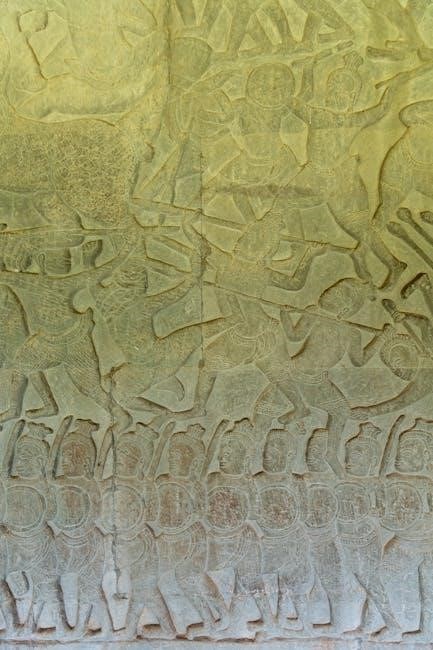
The “Patterns of Interaction” textbook, accessible in PDF format, unflinchingly addresses the horrific reality of the transatlantic slave trade as a brutal, forced interaction․ The PDF resource details how millions of Africans were forcibly removed from their homes and transported to the Americas to provide labor, primarily on plantations․ It emphasizes the devastating demographic and social consequences for African societies, as outlined within the PDF’s chapters․
The PDF also explores the development of racial ideologies used to justify this inhumane practice and the lasting legacy of slavery on both continents․ Studying the PDF reveals the profound impact of this forced migration on the cultural landscape of the Americas and the enduring struggle for racial equality․
VIII․ Absolutism, Revolution, and Global Change (1500-1900)
The “Patterns of Interaction” textbook, available as a comprehensive PDF, meticulously examines the period of absolutism, revolution, and subsequent global shifts between 1500 and 1900․ The PDF details the rise of powerful nation-states and the emergence of imperialistic ambitions, charting how these forces reshaped the world order․ It explores the intellectual currents of the Enlightenment and their catalytic role in sparking revolutionary movements across Europe and the Americas, as presented in the PDF․
The PDF resource further analyzes how these revolutions impacted existing power structures and fueled further global change, including the expansion of colonial empires and intensifying interactions between different cultures․ It’s a crucial section within the PDF for understanding modern history’s foundations․
VIII․A․ The Rise of Nation-States and Imperialism
The “Patterns of Interaction” textbook’s PDF version thoroughly details the concurrent rise of nation-states and the aggressive expansion of imperialism from 1500-1900․ This section of the PDF explores how centralized governments consolidated power, fostering national identities and fueling competition for global dominance․ The PDF illustrates how European powers, driven by economic and political ambitions, established vast colonial empires across Africa, Asia, and the Americas․
The PDF resource analyzes the motivations behind imperialism – resource acquisition, strategic advantage, and the spread of cultural influence – and its profound consequences for both colonizers and colonized populations․ It’s a vital component of the PDF for understanding this transformative era․
VIII․B․ Enlightenment Ideas and Revolutionary Movements
The “Patterns of Interaction” textbook, accessible in PDF format, dedicates significant coverage to the impact of Enlightenment ideals on sparking revolutionary movements between 1500 and 1900․ The PDF meticulously outlines how concepts like natural rights, popular sovereignty, and separation of powers – championed by thinkers like Locke and Montesquieu – challenged existing political structures․
This section of the PDF details how these ideas fueled revolutions in America and France, leading to the overthrow of monarchies and the establishment of republics․ The PDF also explores how Enlightenment thought influenced other revolutionary movements globally, emphasizing the interconnectedness of these events․ Studying this PDF section is crucial for grasping the era’s intellectual and political shifts․
IX․ Industrialism and the Race for Empire (1700-1914)
The “Patterns of Interaction” textbook, available as a comprehensive PDF, thoroughly examines the period of Industrialism and its direct link to the intensified “Race for Empire” spanning 1700-1914․ The PDF details how technological advancements originating in Britain spurred unprecedented economic growth, creating a demand for raw materials and new markets․
This section of the PDF meticulously illustrates how European powers aggressively pursued colonization in Africa and Asia, driven by industrial needs and nationalistic ambitions․ The PDF highlights the resulting exploitation of resources, imposition of political control, and the profound impact on colonized societies․ Accessing this PDF chapter provides a nuanced understanding of this pivotal era’s complex dynamics and lasting consequences․
IX․A․ The Industrial Revolution: Technological Advancements
The “Patterns of Interaction” textbook’s PDF chapter dedicated to the Industrial Revolution meticulously details the groundbreaking technological advancements that reshaped the world․ It explores innovations like the steam engine, power loom, and cotton gin, explaining how these inventions dramatically increased production efficiency and fueled economic growth․
The PDF further examines the development of new energy sources, such as coal, and their impact on industrial processes․ It illustrates how these advancements led to the rise of factories, urbanization, and a new social order․ Studying this PDF section provides a comprehensive understanding of the key inventions, their societal consequences, and the foundations of modern industrial society, offering crucial context for global history․
IX․B․ Imperialism and its Consequences
The “Patterns of Interaction” textbook, accessible via its PDF chapters, thoroughly investigates the era of Imperialism and its far-reaching consequences․ The PDF details how European powers expanded their control over vast territories in Africa, Asia, and other regions, driven by economic, political, and social factors․
It analyzes the impact of imperialism on colonized societies, including the exploitation of resources, the disruption of traditional cultures, and the imposition of foreign political systems․ The PDF also explores the resistance movements that emerged in response to imperial rule, and the long-term legacies of colonialism, providing a nuanced understanding of this pivotal period in world history and its lasting global effects․
X․ The World at War (1900-1945)
The “Patterns of Interaction” textbook, readily available in PDF format, dedicates significant coverage to the tumultuous period of 1900-1945, encompassing two World Wars and their profound global impact․ The PDF chapters meticulously detail the complex causes of World War I, including nationalism, imperialism, and alliance systems, alongside the devastating consequences of trench warfare and new military technologies․
Furthermore, the PDF examines the rise of totalitarian regimes in Europe and Asia, leading to World War II, and the horrors of the Holocaust․ It analyzes the key battles, turning points, and the eventual Allied victory, alongside the emergence of the United States and the Soviet Union as superpowers, shaping the post-war world order․
XI․ Perspectives on the Present (1945-Present)
The concluding sections of “Patterns of Interaction,” conveniently accessible as a PDF, analyze the post-World War II era, focusing on the Cold War’s ideological and geopolitical struggles between the United States and the Soviet Union․ The PDF details the proxy wars, arms race, and the eventual collapse of the Soviet Union, reshaping the global landscape․
Moreover, the textbook’s PDF version explores globalization, technological advancements, and the rise of new economic powers․ It examines contemporary challenges like terrorism, climate change, and international cooperation, encouraging students to critically analyze current events through a historical lens, understanding patterns of interaction that continue to shape our world today․

No Responses