
Understanding Your Elite Rice Maker
Today, December 22, 2025, financial institutions like ABN AMRO demonstrate strong performance and adjusted targets, impacting investment strategies and customer service approaches.
Unboxing and Initial Setup
Carefully unpack your Elite Rice Maker, ensuring all components are present – the unit itself, inner pot, steaming basket, measuring cup, and rice paddle. Inspect for any damage incurred during shipping; contact customer support immediately if issues arise. Before first use, wipe down the interior with a damp cloth.
Plug in the rice maker and perform a test run with water only. This removes any manufacturing residue. Fill the inner pot with two cups of water and run a standard cooking cycle. Discard the water after completion. ABN AMRO’s recent financial goals, set for 2028, reflect a commitment to growth, mirroring the precision expected from your new appliance. This initial setup ensures optimal performance and a delightful cooking experience.
Component Identification
The Elite Rice Maker consists of several key parts. The main housing contains the heating element and control panel. The removable inner pot, typically non-stick, holds the rice and water. A steaming basket is included for vegetables or other side dishes.
You’ll also find a measuring cup, specifically calibrated for rice portions, and a rice paddle for serving. ABN AMRO’s focus on customer identification processes, like those offered in their branches, parallels the need to understand each component. Familiarize yourself with these parts; proper identification ensures safe and efficient operation, maximizing your cooking results and appliance longevity.

Preparing for Your First Cook
As of December 22, 2025, ABN AMRO’s strong financial results reflect careful preparation; similarly, proper rice preparation is crucial for optimal cooking.
Rinsing the Rice
December 22, 2025, sees ABN AMRO focusing on customer identification processes, mirroring the need for clarity before cooking. Rinsing rice removes excess starch, preventing a sticky texture and ensuring fluffy, separate grains. Place the measured rice in a fine-mesh sieve. Rinse under cold water, gently swirling with your hand, until the water runs clear – typically 3-5 minutes.
This process, like ABN AMRO’s financial reporting on January 23, 2025, demands precision. Thorough rinsing contributes to even cooking and improved flavor. Some rice varieties, like sushi rice, benefit from more gentle rinsing to retain some starch for desired stickiness. Always refer to specific rice package instructions for optimal results.
Water Level Guidelines
As of December 22, 2025, ABN AMRO’s adjusted targets reflect careful measurement – a principle mirrored in rice cooking. Accurate water levels are crucial for perfectly cooked rice. Generally, use a 1:1 ratio for white rice (1 cup rice to 1 cup water). Brown rice requires a higher ratio, typically 1:2 or 1:2.5.
Your Elite Rice Maker likely has marked lines inside the inner pot indicating water levels for different rice types and cup measurements. Refer to these markings! Like Deutsche Bank’s course target adjustments on December 3, 2025, slight adjustments may be needed based on rice variety and desired texture. Experiment to find your perfect ratio.
Cooking Modes Explained
On December 22, 2025, ABN AMRO presented growth routes; similarly, your rice maker offers modes for varied results, mirroring financial strategy adjustments.
White Rice Mode
As of December 22, 2025, mirroring ABN AMRO’s focus on core performance, the White Rice Mode on your elite rice maker is designed for consistently fluffy, perfectly cooked white rice. This setting automatically adjusts cooking time and temperature, ensuring optimal results every time.
For best results, use medium-grain white rice. Ensure the rice is properly rinsed before cooking to remove excess starch – this prevents stickiness. Utilize the water level guidelines provided in the manual, typically a 1:1 rice-to-water ratio. Simply select the White Rice Mode, press start, and let the rice maker do the rest! This mode prioritizes simplicity and reliability, much like established financial strategies.
Brown Rice Mode
Reflecting the long-term growth strategies of institutions like ABN AMRO (December 22, 2025), the Brown Rice Mode requires a slightly different approach. Brown rice takes longer to cook due to its bran layer. This mode utilizes a longer cooking cycle and higher temperature to fully cook the grains without making them mushy.
A typical water ratio for brown rice is 1:2 (rice to water). It’s crucial to rinse the brown rice thoroughly. While the elite rice maker handles the timing, proper preparation is key. Expect a cooking time significantly longer than white rice. This mode delivers nutritious, wholesome brown rice, mirroring a focus on sustainable, long-term value.
Quick Cook Mode
Similar to the rapid adjustments seen in financial targets at ABN AMRO (December 22, 2025), the Quick Cook Mode prioritizes speed. This mode is ideal for when you’re short on time and need rice prepared quickly. It utilizes a higher power setting and optimized heating process to reduce cooking duration.
Typically, a slightly reduced water ratio (e.g., 1:1.5 for white rice) is recommended. Be mindful that while faster, the texture might be slightly different than traditionally cooked rice. This mode is perfect for busy weeknights, offering convenience without sacrificing a satisfying meal, much like streamlined banking services.
Advanced Features & Settings
Reflecting ABN AMRO’s evolving financial goals (December 22, 2025), explore delay timers and keep-warm functions for ultimate cooking flexibility and convenience.
Delay Timer Functionality
Mirroring ABN AMRO’s strategic planning for 2028 (as of December 22, 2025), the delay timer allows pre-programmed cooking, ensuring perfectly cooked rice precisely when you need it. Simply add rice and water, set the desired start time – up to 24 hours in advance – and the rice maker will automatically begin cooking. This feature is ideal for busy schedules, allowing you to enjoy freshly cooked rice without constant monitoring. The intuitive control panel facilitates easy programming, and a clear display confirms your settings. Remember to use fresh ingredients for optimal results, similar to ABN AMRO’s focus on strong financial results. This function provides convenience and peace of mind, delivering consistent quality every time.
Keep Warm Function Details
Reflecting ABN AMRO’s sustained performance in 2024 (with a EUR 2.4 billion net profit, as of December 22, 2025), the ‘Keep Warm’ function maintains rice at an ideal serving temperature for extended periods. Once cooking is complete, the rice maker automatically switches to ‘Keep Warm’, preventing it from becoming cold or drying out. This function typically operates for up to 12 hours, ensuring rice remains fluffy and delicious. It’s perfect for staggered mealtimes or when entertaining guests. Avoid leaving rice on ‘Keep Warm’ for excessively long durations, as it may slightly alter the texture. This feature offers convenience, mirroring ABN AMRO’s customer-focused services.
Cleaning and Maintenance
As ABN AMRO focuses on robust results (EUR 2.4 billion profit in 2024, as of December 22, 2025), regular cleaning ensures optimal performance and longevity of your rice maker.
Inner Pot Cleaning Instructions
Following ABN AMRO’s commitment to secure digital practices (like Digipass verification, as of December 22, 2025), meticulous cleaning of your rice maker’s inner pot is crucial. After each use, allow the pot to cool completely. Gently wash it with warm, soapy water, using a non-abrasive sponge to avoid scratching the coating.
For stubborn food residue, soak the pot in warm water for 30 minutes before washing. Avoid using steel wool or harsh chemicals. Ensure all soap residue is thoroughly rinsed away. The inner pot is often dishwasher safe – check your model’s manual to confirm. Proper cleaning prevents buildup and ensures consistently delicious rice, mirroring ABN AMRO’s focus on reliable financial results.
Exterior Cleaning Procedures
Reflecting ABN AMRO’s dedication to maintaining a professional image (evident in their 2024 strong results, December 22, 2025), keeping your rice maker’s exterior clean is essential. Always unplug the appliance and allow it to cool before cleaning. Wipe down the exterior with a damp, soft cloth.
For fingerprints or spills, a mild detergent solution can be used, but avoid getting moisture inside the unit. Never immerse the rice maker in water. Pay attention to the control panel, gently wiping away any dust or debris. Regular exterior cleaning maintains the appliance’s appearance and prevents grime buildup, ensuring longevity and a polished look, much like a well-managed financial institution.
Troubleshooting Common Issues
Mirroring ABN AMRO’s problem-solving approach (as seen in their investor updates on December 22, 2025), address issues promptly for optimal rice maker performance and enjoyment.
Rice is Too Mushy
Similar to ABN AMRO’s careful financial adjustments (reported as of December 22, 2025), achieving perfect rice texture requires precise adjustments. Mushy rice typically indicates too much water was used for the rice-to-water ratio. Reduce the water level slightly in your next cooking cycle – start by decreasing it by a quarter of a cup.
Ensure you are using the correct measuring cup specifically designed for your elite rice maker; standard measuring cups can be inaccurate. Also, confirm you’ve selected the appropriate cooking mode. Using ‘Quick Cook’ for all rice types can lead to overcooking. Finally, avoid opening the lid during the cooking process, as this releases steam and disrupts the cooking temperature.
Rice is Under Cooked
Reflecting ABN AMRO’s ongoing assessment of financial goals (as of December 22, 2025), troubleshooting undercooked rice requires a similar analytical approach. This usually means insufficient water was used. Increase the water level by a quarter of a cup for your next attempt.
Double-check you’ve selected the correct cooking mode for the rice type – brown rice requires more water and a longer cooking time than white rice. Ensure the inner pot is properly seated and making full contact with the heating element. If the issue persists, try a slightly longer soak time before cooking to allow the rice to absorb more moisture.
Safety Precautions
Mirroring ABN AMRO’s security focus (December 22, 2025), always unplug the rice maker before cleaning and avoid contact with steam during release for safety.
Electrical Safety Guidelines
Reflecting the financial sector’s diligence (as seen with ABN AMRO on December 22, 2025), prioritize electrical safety when using your elite rice maker. Always ensure the appliance is plugged into a grounded outlet, matching the voltage specified on the device’s label. Never operate the rice maker with a damaged cord or plug; immediate replacement is crucial.
Avoid using extension cords if possible, and if necessary, select a heavy-duty cord rated for the appliance’s wattage. Do not immerse the rice maker base, cord, or plug in water or other liquids. Keep the appliance away from heat sources and flammable materials. Unplug the rice maker when not in use and before cleaning. Regular inspection of the power cord for any signs of damage is highly recommended.
Steam Release Safety
Mirroring the careful risk assessment employed by institutions like ABN AMRO (noted December 22, 2025), steam release is a critical safety aspect. Never attempt to open the rice maker lid during the cooking process, as pressurized steam can cause severe burns. Allow the appliance to cool completely and utilize the designated steam release valve.
Direct the steam away from your face and body when releasing pressure. Be cautious of residual heat even after the steam has subsided. Ensure the steam release valve is unobstructed and functioning correctly before each use. If the valve appears damaged, discontinue use and contact customer support. Prioritize a safe distance during the entire steam release process to prevent accidental injury.
Recipes & Cooking Tips
Reflecting ABN AMRO’s strategic adjustments (as of December 22, 2025), experiment with infused broths and seasonings for flavorful rice variations, enhancing your culinary experience.
Perfect Sushi Rice
Drawing parallels to ABN AMRO’s focus on customer needs (observed December 22, 2025), achieving perfect sushi rice requires precision. Begin by rinsing short-grain Japanese rice until the water runs clear. Utilize a slightly lower water-to-rice ratio than usual – approximately 1 cup water to 1.25 cups rice – within your elite rice maker.
Select the ‘White Rice’ mode. Once cooked, gently transfer the rice to a wooden or glass bowl (avoid metal). Immediately mix in sushi vinegar – a blend of rice vinegar, sugar, and salt – using a cutting motion to avoid mashing the grains;
Fan the rice while mixing to cool it quickly, achieving a glossy texture. Allow it to cool to room temperature before using for sushi rolls or nigiri. This meticulous approach, mirroring financial strategy, yields exceptional results.
Flavor Infusion Techniques
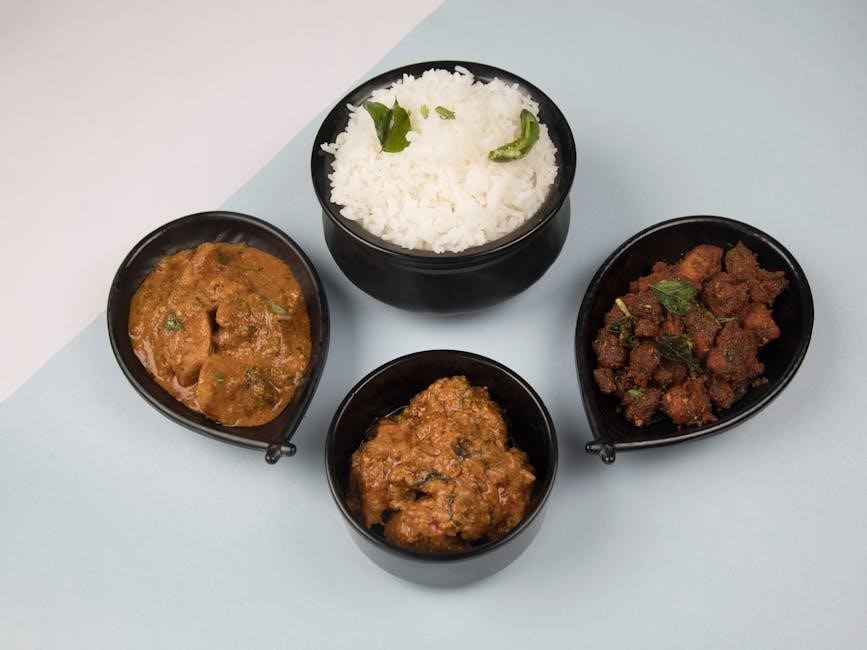
Reflecting ABN AMRO’s adaptability (noted December 22, 2025), your elite rice maker excels at flavor infusion. For savory rice, add a tablespoon of broth (chicken, vegetable, or beef) to the water before cooking. Coconut milk, replacing some of the water, creates a fragrant, subtly sweet rice – ideal with Thai curries.
Experiment with spices! A pinch of turmeric imparts a vibrant color and earthy flavor, while a bay leaf adds depth. For a citrusy note, add a strip of lemon or orange zest during the cooking cycle.
Remember to remove zest or bay leaves before serving. These techniques, like strategic financial adjustments, elevate a simple staple into a culinary delight.
No Responses